
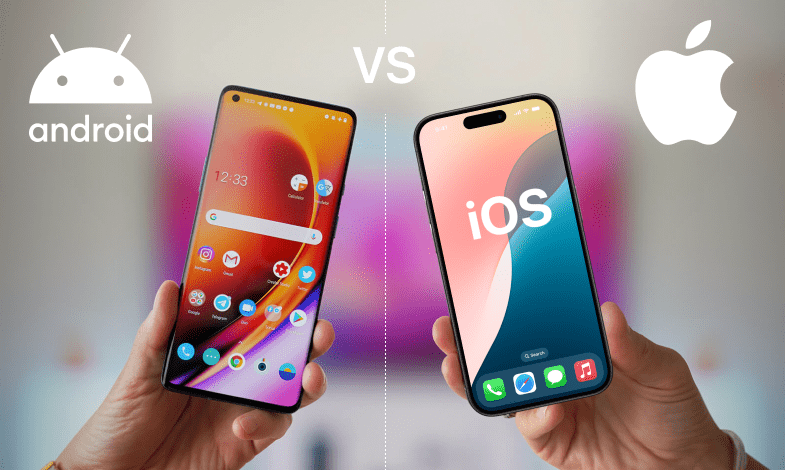
Although the Apple App Store and Google Play Store serve the same purpose, they rank and display apps differently. Understanding the iOS vs Android ASO differences helps developers create effective optimization strategies for each platform. From keyword placement and metadata to user engagement and ranking signals, every element influences your app’s visibility. A customized ASO strategy for iOS and Android leads to better rankings, higher organic installs, and stronger long-term performance.
Why iOS and Android ASO Are Different
Although both stores help users discover apps, they rank apps differently.
Apple App Store
Apple focuses on:
- App Title
- Subtitle
- Keyword Field
- Ratings & Reviews
- Download Velocity
Proper keyword optimization is essential for better rankings.
Google Play Store
Google Play considers:
- App Title
- Short & Long Description
- User Engagement
- Retention Rate
- Update Frequency
Unlike Apple, Google indexes the app description, making content optimization more important.
Why Copy-Pasting Your ASO Strategy Doesn’t Work
Many developers assume the same optimization strategy works everywhere. However, these important iOS vs Android ASO differences make that approach ineffective.
Using identical metadata can reduce visibility because:
- Apple and Google rank keywords differently.
- Metadata fields vary between stores.
- Keyword limits are different.
- User search behavior changes by platform.
- Ranking algorithms prioritize different signals.
- Conversion factors are not the same.
A customized strategy for each app store leads to better rankings and higher organic downloads.
Best Practices for Better ASO
Improve your app’s performance by:
- Researching keywords separately for each store.
- Creating unique titles and descriptions.
- Optimizing icons, screenshots, and preview videos.
- Tracking keyword rankings and installs.
- Updating your app regularly.
These practices help improve visibility and conversion rates.
How Asoscale Helps
At Asoscale, we create customized App Store Optimization strategies for both the Apple App Store and Google Play Store.
Our services include:
- Complete ASO audits
- Platform-specific keyword research
- Metadata optimization
- Creative asset optimization
- Competitor analysis
- Keyword tracking
- Continuous ASO improvements
Our tailored approach helps improve rankings, increase organic installs, and maximize app visibility.
Why Choose Asoscale?
Asoscale helps businesses achieve sustainable app growth through:
- Proven ASO strategies
- Better keyword rankings
- Higher organic installs
- Improved App Store visibility
- Continuous performance monitoring
Whether you’re launching a new app or growing an existing one, our ASO experts help you succeed on both platforms.
Final Thoughts
Understanding the iOS vs Android ASO differences is key to improving your app’s visibility and organic growth. The Apple App Store and Google Play Store use different ranking algorithms, metadata requirements, and user engagement signals, making a platform-specific App Store Optimization (ASO) strategy essential for success. Using the same ASO approach across both stores can reduce keyword rankings and limit your app’s discoverability.
By optimizing your app separately for iOS and Android, you can achieve higher keyword rankings, increase organic installs, improve conversion rates, and maximize long-term app performance. At Asoscale, we create customized ASO strategies tailored to both app stores, helping businesses grow their apps with sustainable, data-driven optimization.